

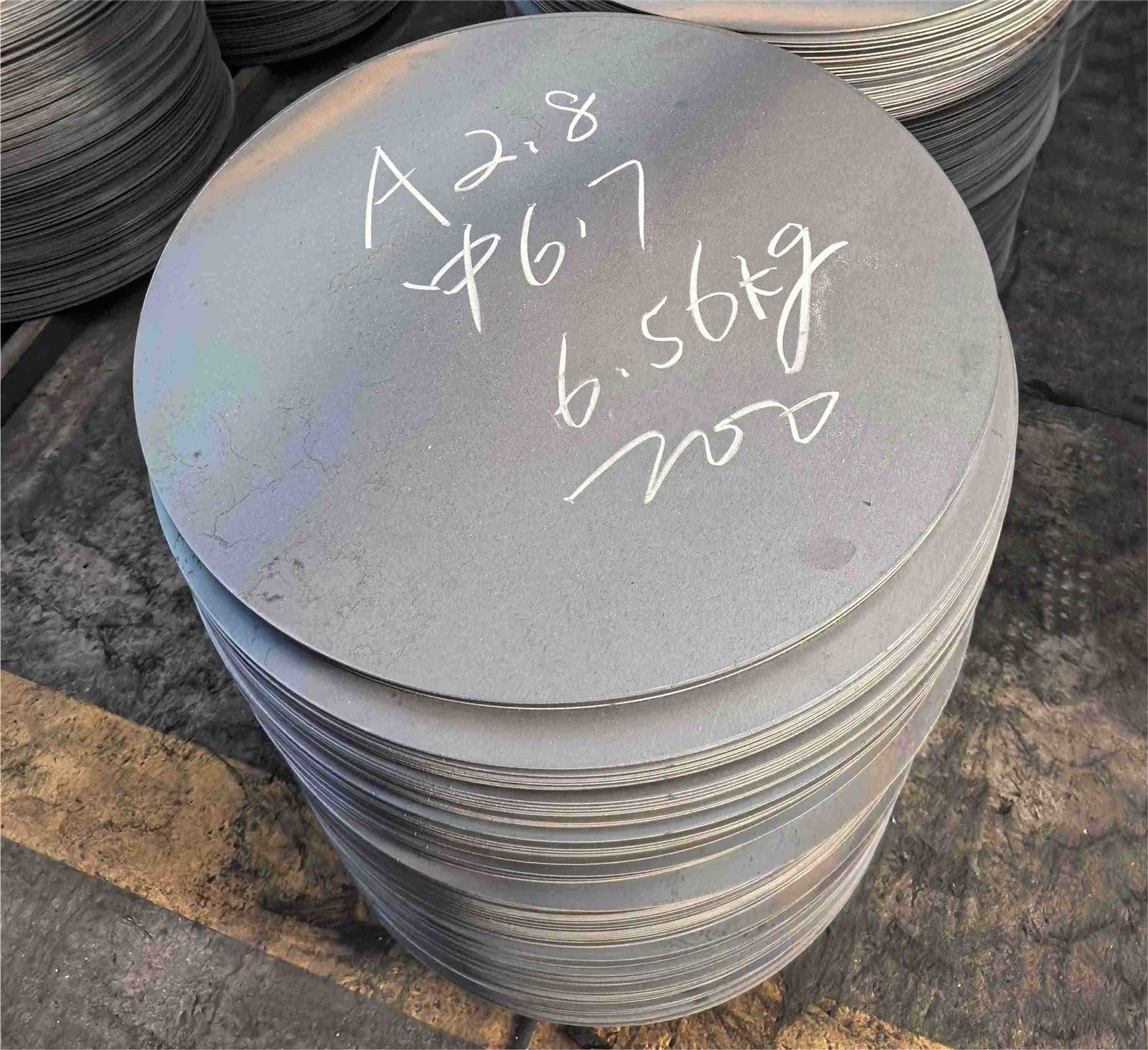
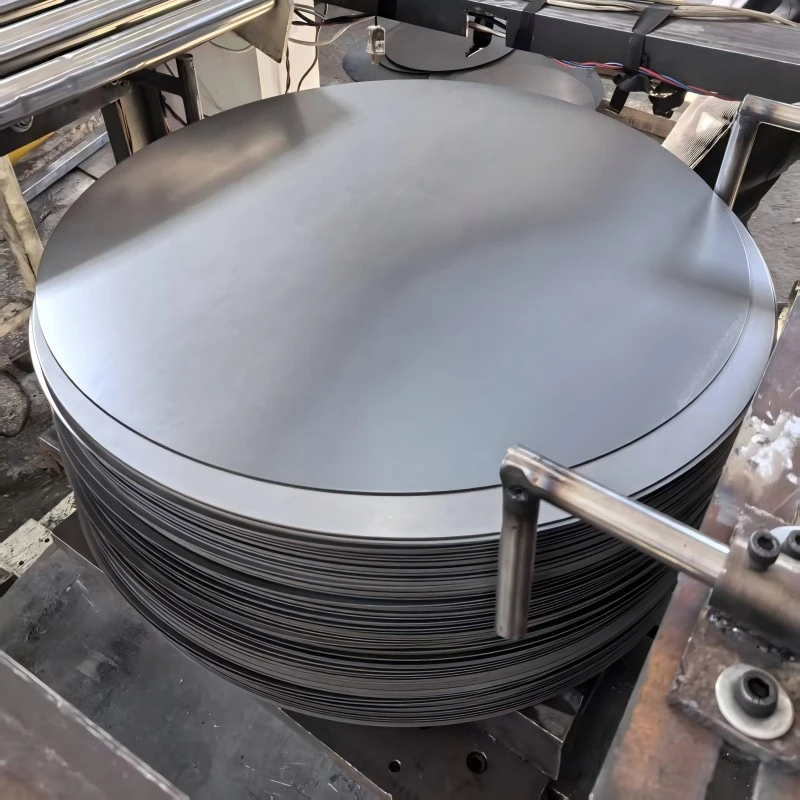
A steel round disc is a circular blank cut or punched from steel coil or sheet. In welded LPG cylinder manufacturing, it is deep drawn into a cylinder head before trimming, preparation and welding.
For buyers, selecting the right blank requires more than matching diameter and thickness. Material properties, dimensional consistency and compatibility with existing tooling all affect production results.
From Steel Round Disc to Cylinder Head
In a common two-piece welded LPG cylinder, the upper and lower heads are formed separately from circular steel blanks.
The main production steps include:
1. Blanking: Cut or punch the specified discs from suitable steel.
2. Inspection: Check material identification, dimensions, edges and surface condition.
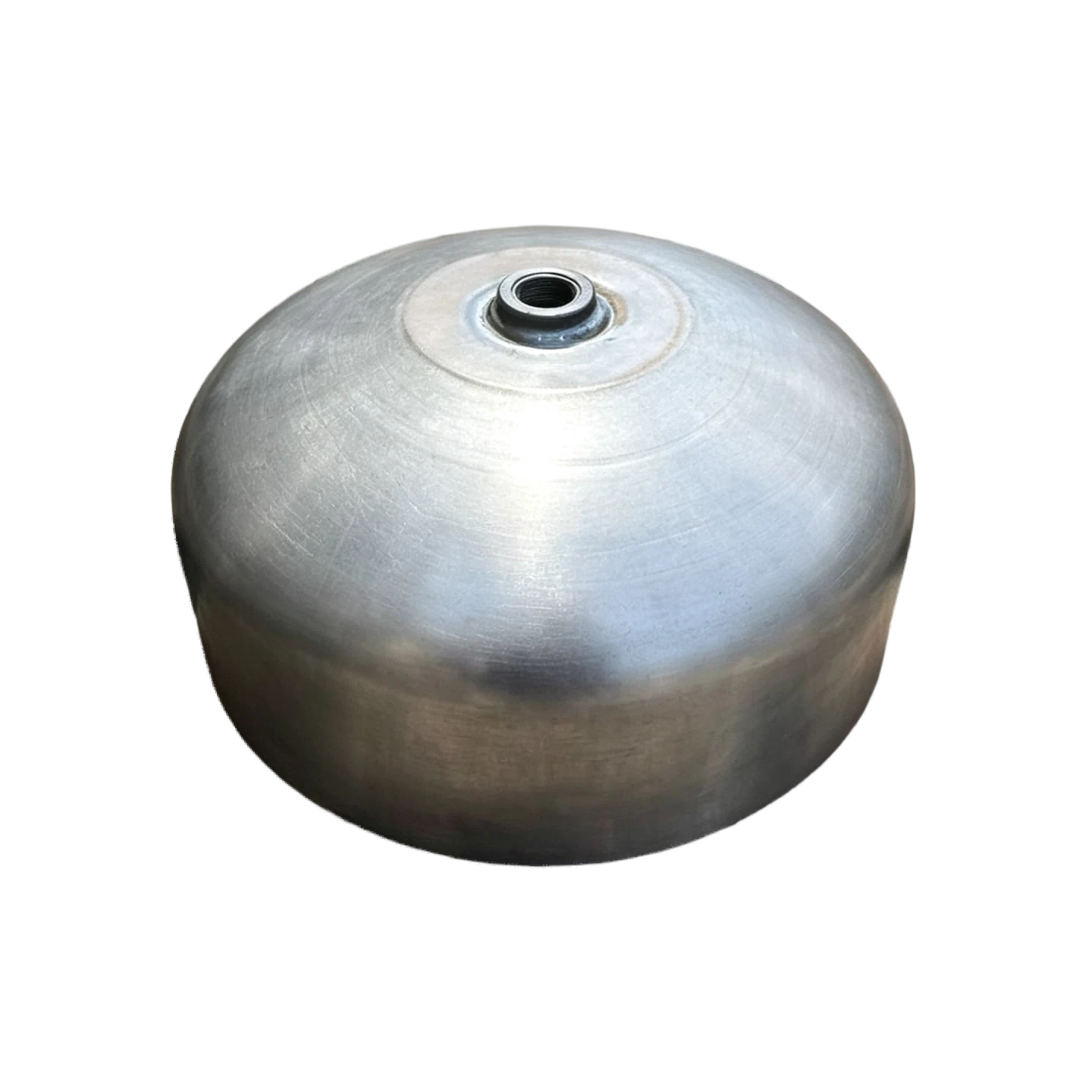
3. Deep drawing: Use a press, punch and die to form each blank into the required head profile.
4. Trimming and preparation: Prepare the formed edges and the upper head's valve-boss opening.
5. Assembly and welding: Join the prepared components according to the approved cylinder manufacturing procedure.
The forming sequence depends on the cylinder design and production equipment. A flat disc is therefore not a finished head ready for assembly.

What Should Buyers Specify?
Before ordering a steel round disc for LPG cylinder production, confirm:
Specification |
Purchasing consideration |
|---|---|
| Steel grade and standard | Suitable strength, formability and weldability for the approved cylinder design |
| Thickness and tolerance | Consistent incoming material, allowing for thickness changes during drawing |
| Diameter and tolerance | Compatibility with the head profile, tooling and trimming allowance |
| Flatness and edge condition | Reliable positioning and handling, with agreed burr limits |
| Surface condition | Acceptable scale, corrosion, scratches and oiling |
| Documentation | Required material certificates, batch identification and inspection records |
Cylinder capacity alone does not determine blank diameter. Two cylinders with the same filling capacity can require different blanks because their dimensions and head profiles differ.
Likewise, blank thickness is not the same as the minimum wall thickness after forming. Material selection and dimensions must follow the applicable design requirements.
Steel Coils, Round Discs or Formed Heads?
The best supply form depends on your factory's capabilities.
- Steel coils: Suitable for factories with coil-handling and blanking equipment.
- Steel round discs: Suitable for manufacturers with drawing equipment that prefer to outsource blank preparation.
- Formed heads: Suitable for factories that want to outsource drawing and focus on downstream operations.
Buying discs removes blanking from the buyer's factory, but does not eliminate scrap from the overall supply chain. Compare delivered cost, processing expenses, scrap recovery, freight and inventory-not only price per tonne.

Choosing a Steel Provider for Repeat Orders
A steel provider should understand both the material specification and its intended manufacturing process.
Ask how approved specifications, material batches and repeat-order changes are controlled. For a new material or blank specification, conduct forming trials on the intended equipment before bulk purchasing.
Consistent blanks support stable production, but cracking or wrinkling can also involve tooling, lubrication, blank-holder force and centring. Material quality alone cannot compensate for an unsuitable drawing setup.
Luzhen's Steel Disc Supply Experience
Shanghai Luzhen SCM Co., Ltd. has documented repeat steel-disc shipments to a South American LPG cylinder manufacturer. Each customer's material and dimensions must nevertheless be confirmed individually.
As a steel provider and one-stop LPG cylinder industry supplier, Luzhen supplies steel coils, customized round discs, formed heads and related components. Our manufacturing and export experience helps us coordinate specifications, packaging and ongoing supply requirements.

Contact Luzhen for a steel round disc quotation. Share your steel grade, material standard, diameter, thickness, tolerances, quantity and destination port. If your blank specification is not yet established, provide the head drawing and production details for an initial review.